CAI Policy Insights: Impact of One Big Beautiful Bill on Higher Ed
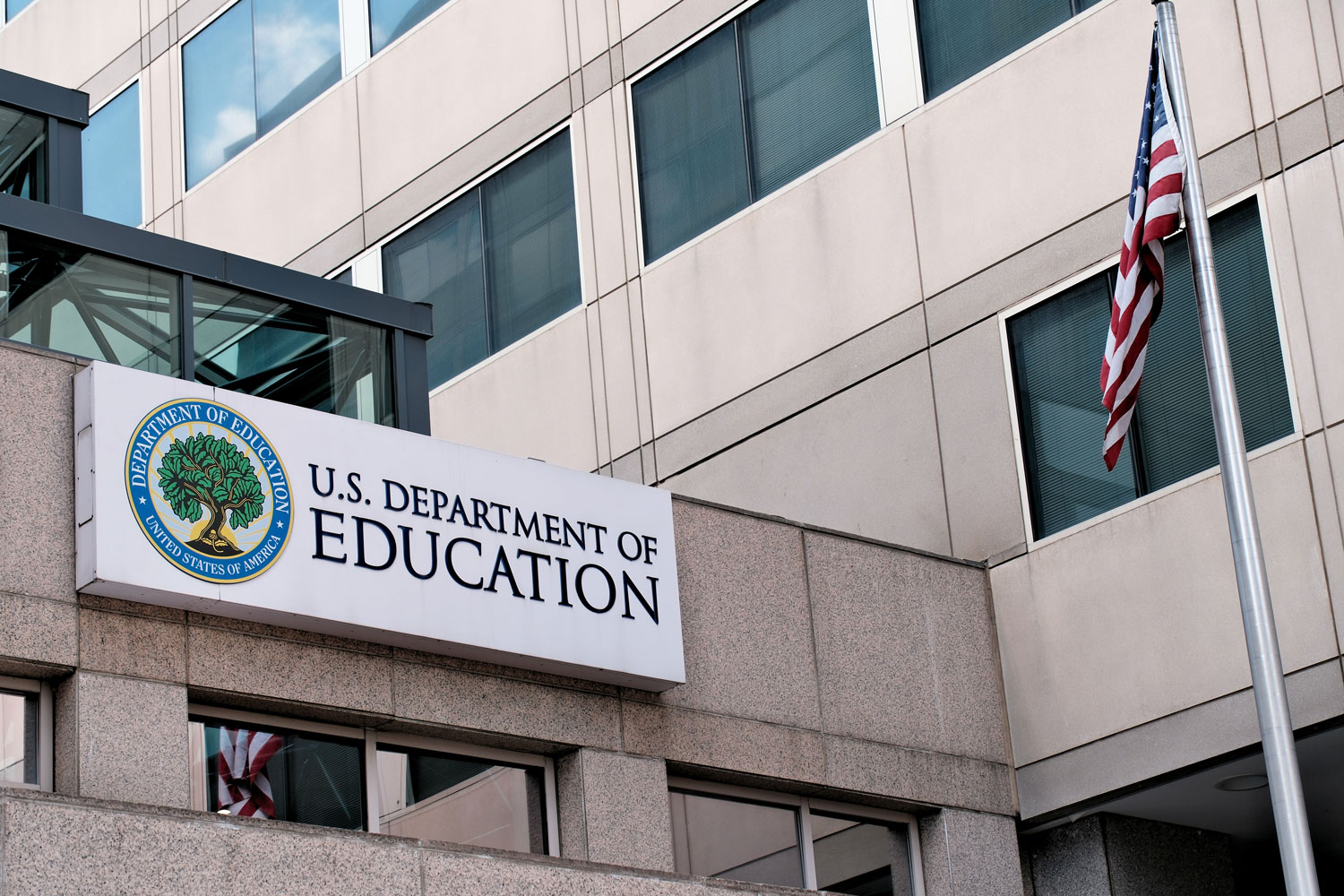
Welcome to CAI Policy Insights, a monthly policy digest covering the latest legal and policy updates impacting online and hybrid learning and the use of educational technologies. By staying up to date on news and emerging controversies in these areas, we believe faculty, administrators, learning experience designers, and academic leaders can all make more informed decisions regarding program development, technology integrations, student engagement and assessment strategies, and more. Topic-by-topic breakdowns of key regulatory issues can also be found on the Online Teaching Compliance Page.

Summary and Insights
The recently signed One Big Beautiful Bill Act (OBBBA) represents a dramatic overhaul of federal education policy, with funding cuts and changes involving federal student aid and program eligibility. Institutions may face pressure to make their programs more affordable and better aligned with career outcomes, as eligibility for federal aid—including through the newly established Workforce Pell Grants for short-term credential programs—will now hinge on stringent return-on-investment metrics. The passage of the OBBBA, changes in leadership and staffing at the Department of Education (ED), and landmark court rulings and new federal guidance involving Generative AI (GenAI), all combine to signal a period of heightened institutional accountability on the one hand and more breathing room to innovate with educational technologies on the other.
Feature Policy Update: One Big Beautiful Bill Act
President Donald Trump has signed OBBBA, marking a significant shift in education policy. The law brings sweeping changes to student financial aid, short-term training program eligibility, loan repayment frameworks, and institutional funding. It will also result in the loss of approximately $300 billion dollars in federal investments in higher education in general over the next 10 years.
Major provisions are outlined below and will take effect July 1, 2026. ED has also announced OBBBA rulemaking, which will bring additional updates in the fall and winter.
Loan Restructuring and Caps
Federal student loans will be significantly reduced. Key updates include:
- Graduate Plus loans will be eliminated; however there are certain funding protections afforded to currently enrolled student borrowers for up to three additional years.
- Graduate loans will be limited to $20,500 annually for graduate students in most programs, with up to a $100,000 in total maximum; or up to $50,000 annually ($200,000 max) for students in professional programs (e.g., law or medicine).
- Students will have a lifetime $257,500 borrowing cap for all federal student loans (graduate and undergraduate combined), with the exception of Parent PLUS loans.
Institutions may also further limit that total amount of Direct Loans that students may borrow for a specific program, as long as that limit is applied consistently.
Workforce Pell
Pell Grants will now be available for short-term programs under the new Workforce Pell program (Sec. 83002). Eligible programs must be state certified as workforce-aligned and:
- Be at least eight but less than 15 weeks in length (clock-hour programs have equivalent parameters)
- Have been in operation for at least one full year
- Culminate in a stackable and portable credential unless tied to a single industry-standard credential
- Maintain at least a 70% completion rate (with students needing to finish within 150% of the normal timeline for completion);
- Maintain at least a 70% job placement rate (within 180 days post-completion)
- Satisfy a median added-value earnings test that factors in program cost, adjusted earnings (based on geographic area), prior earnings, and the federal poverty level
Noncredit courses/programs are not specifically excluded but may have a harder time meeting these requirements. Correspondence courses, meanwhile, are excluded.
New Accountability Framework for All Title IV Programs
Program eligibility for Title IV federal student aid (for all programs, including degree programs) will now be based on financial return-on-investment metrics, as outlined below.
- Undergraduate programs: compares the median earnings of the programmatic cohort that graduated four years prior with the earnings of working adults who have only a high school diploma or GED.
- Graduate and professional programs: compares the median earnings of the programmatic cohort that graduated four years prior with the earnings of working adults who have only a baccalaureate degree.
If the institution fails the earnings test for one year, it must provide notice to enrolled students that the program has low median earning outcomes under this metric. Programs that fail to out-perform their comparison group in two out of three consecutive years will lose eligibility entirely. However, the institution may apply to regain eligibility after two years.
Key Takeaways
Federal loan availability to students will be significantly diminished. Additionally, access to those federal loans will now be contingent on student earnings post-graduation. Focusing efforts on lowering costs for students while ensuring programs are truly preparing students for gainful employment should be a major priority for academic leaders going forward. Pursuing Workforce Pell eligibility may have some appeal, particularly with regard to microcredential offerings, but there is also a relatively high bar for gaining that eligibility. Those seeking to take advantage of Workforce Pell will need to carefully design these programs to maximize student completion/success and ensure workforce alignment.
Other Developments Worth Monitoring
Other major policy developments impacting digital learning are outlined briefly, below.
- New Leadership at ED. Nicholas Kent was recently appointed and confirmed as the next under secretary at the Education Department, where he’ll oversee higher education policy. Coverage from Inside Higher Ed.
- ED Staffing Cuts will Remain for the Foreseeable Future. On July 14, 2025, the U.S. Supreme Court struck down an injunction that was preventing mass layoffs at ED. These cuts had eliminated nearly half of ED’s positions (nearly 1,400 employees) and have already resulted in significant delays as well as enforcement concerns. Lawsuits concerning these cuts continue in lower courts, however. Coverage from The New York Times.
- GenAI Court Decisions. A couple of critical GenAI cases involving copyright disputes,against Meta and Anthropic, were decided at the end of June. These were the first substantive decisions on how fair use applies to GenAI systems. In both cases, training of GenAI models using copyrighted content was deemed a fair use. There are still a number of key cases making their way through the courts, however, and it’s likely that the Meta case will be appealed. Coverage from NPR.
Other GenAI Policy Updates. On July 21, 2025, ED announced it would solicit public comments on supplemental priorities and definitions relating to grants tied to the use of AI in education. This was followed by a Dear Colleague Letter encouraging the use of AI in education. The White House then released America’s AI Action Plan to set forth policy goals and recommendations. With each policy development, the use of AI in higher ed is highly encouraged. The White House report has a broader focus of promoting innovation (including by discouraging regulatory barriers), upholding free speech in models, leading in international communities, and expediting the development of AI infrastructure (e.g., data centers and technology development).