Online Teaching Interview: Neurodiversity and Online Learning
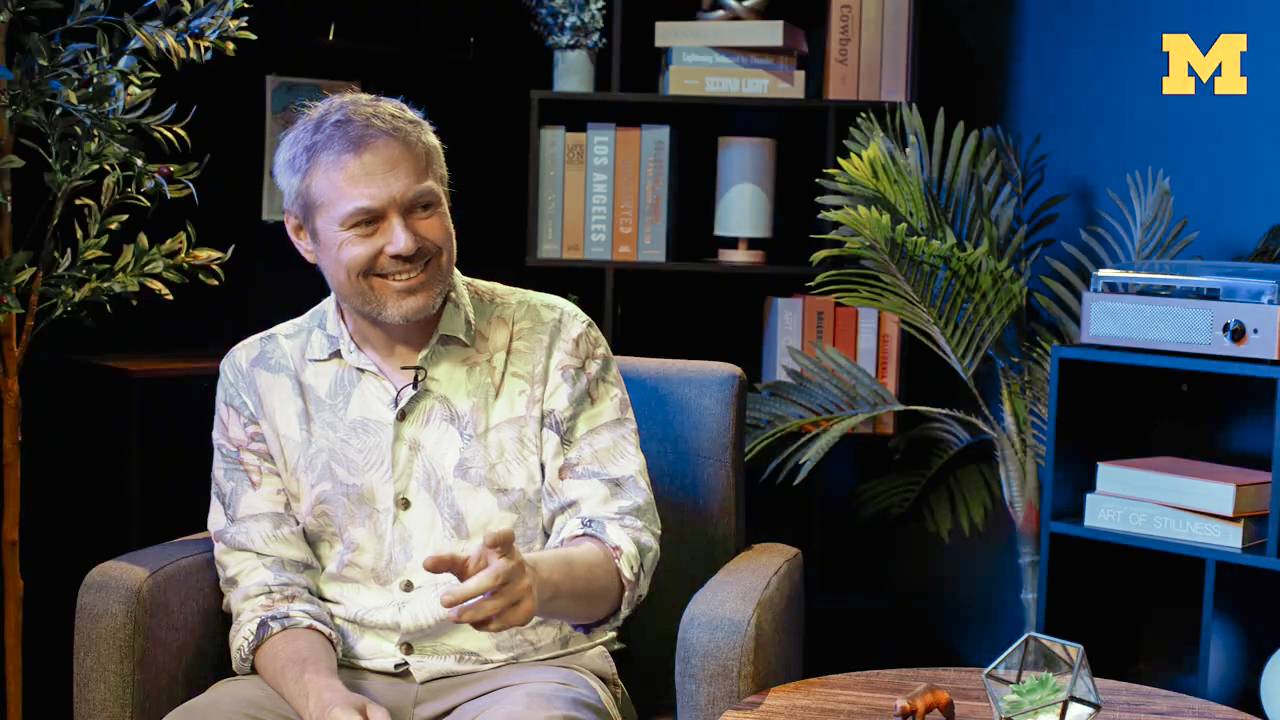
Our latest edition of the Online Teaching Interview explores neurodiversity in higher education with guests Sandy Zalmout and Matt Harrison. Zalmout, the project lead for the University of Michigan Neurodiversity Project, spoke with Harrison, co-founder of the Higher Education Neurodiversity Network, about understanding the neurodiversity umbrella, creating flexible and inclusive online learning spaces for those students, and why their collaboration should be a model for instructors and university leaders.
Harrison’s work at the University of Melbourne, Australia, where he is an associate professor in learning intervention, is the culmination of years of advocacy for neurodivergent students like himself. He has appeared at the Beautiful Minds conference, which Zalmout and her Neurodiversity Project team host each April at U-M, and the two have collaborated on a number of initiatives.
Enjoy our third installment of the Online Teaching Interview, and check out the resources below.
To learn more about the Higher Education Neurodiversity Network or the U-M Neurodiversity Project, contact Zalmout ([email protected]) or Harrison ([email protected]).
Resources
Higher Education Neurodiversity Network
University Design for Learning