Online Teaching Expert Interview: U-M’s Digital Accessibility Work Continues
As of April 17, 2026, the U.S. Department of Justice has extended the compliance date that applies to U-M to April 26, 2027. The work to meet the ADA Title II requirements continues, and more information can be found on the university’s Digital Accessibility website.
Leading up to the original April 26, 2026 scheduled compliance date, some University of Michigan faculty and staff were feeling anxious or even frustrated as they worked to ensure their course materials meet the Americans with Disabilities Act Title II Digital Accessibility requirements.
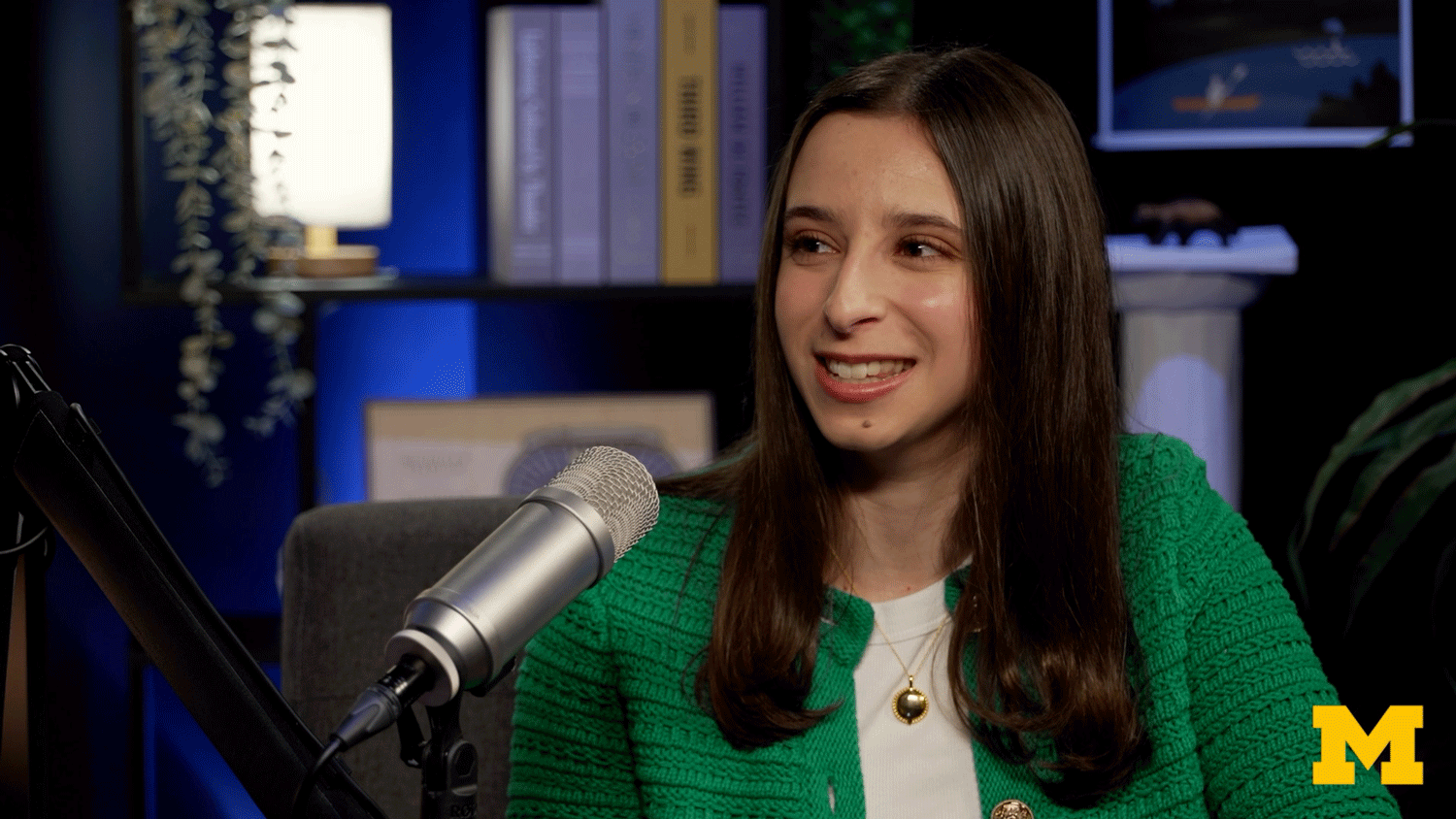
In order to address these challenges and help identify solutions, Caroline Damren, the Center for Academic Innovation’s accessibility coordinator, sat down with Serena Irani, a digital accessibility specialist with the Disability Equity Office, to discuss what the requirements entail, how the university is responding and supporting the efforts, and why creating accessible digital materials and online courses is so important.
Please enjoy our first Online Teaching Expert Interview below, and find the resources you need in the links that follow.
Resources
Digital Accessibility at the University of Michigan